How to Apply for a Temporary Partner Visa
This page assumes the couple have identified the visa that applies to them, based on the applicant's location and relationship status. It follows the application in the order it happens: preparing, lodging in ImmiAccount, the requests that follow, keeping the application up to date, waiting for a decision, and what the outcome means. It does not repeat the detail of sponsorship or relationship evidence, which have their own pages.
Claim Your Consultation
Tell us about your situation and our Partner visa lawyers will get back to you shortly.
Before lodging
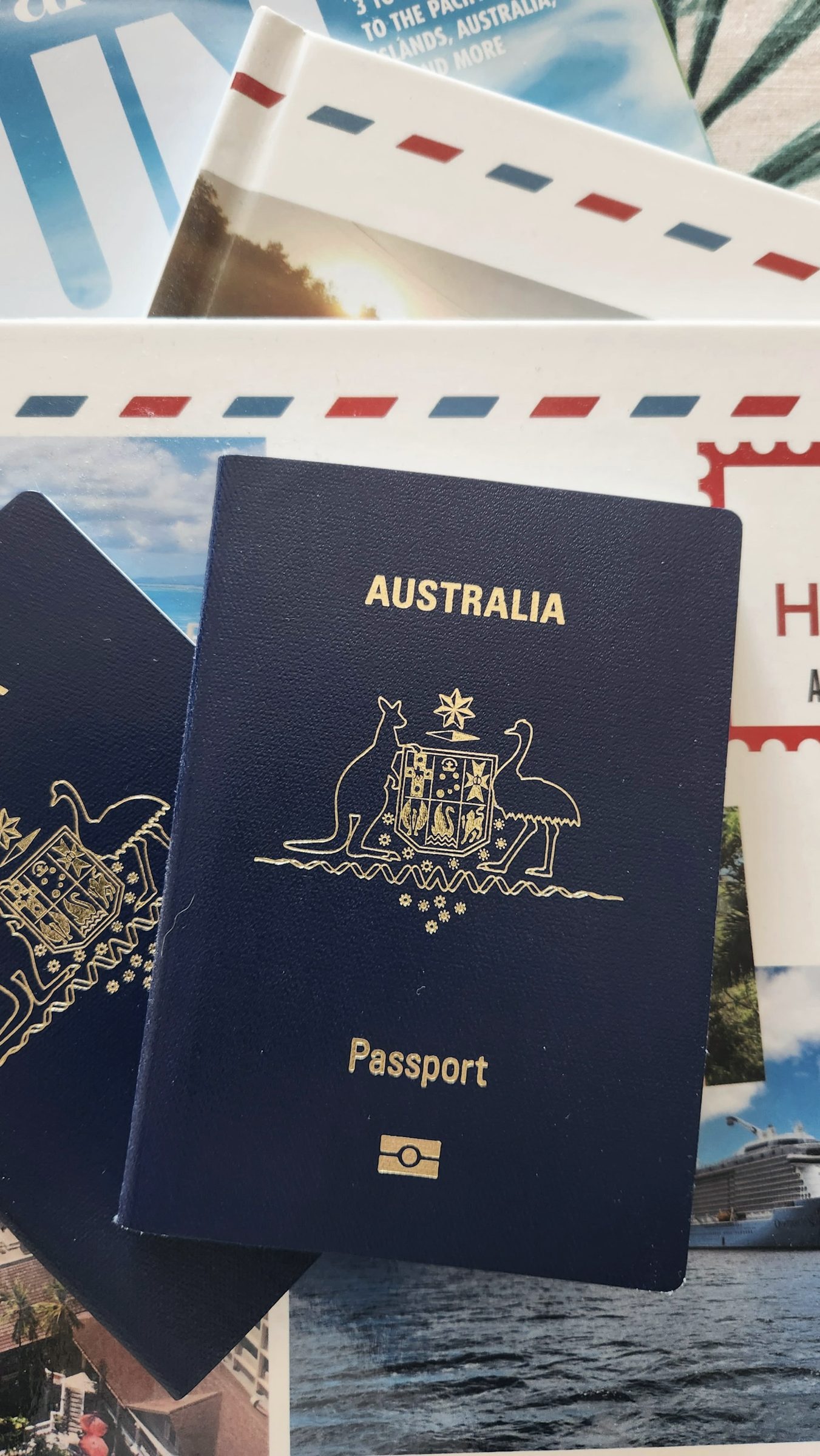
Five things are worth settling before an application is lodged.
- The pathway. The 820 is for applicants in Australia when they apply, the 309 for applicants outside Australia, and the 300 for engaged couples who have not married.
- The sponsorship. The sponsor must be eligible, within the limits on repeat sponsorship, and able to meet the character requirements, including police certificates.
- The relationship evidence. The documents and statements should cover the whole relationship, and the checklist in ImmiAccount shows what is requested.
- Police certificates. The Department may ask for a police certificate from each country where the applicant has lived for a total of 12 months or more in the last 10 years since turning 16. For Australia, this is an Australian Federal Police check. Identifying the countries early gives time to obtain the certificates.
- Who will prepare the application. Applicants can apply themselves, and anyone who assists must be a person permitted to give immigration assistance. Home Affairs publishes guidance on who can help.
Lodging the application in ImmiAccount

Partner visa applications are made online through ImmiAccount, under New application and Family. The sponsor completes a separate sponsorship application. A paper application is accepted only if the Department has invited one, and a paper application made without an invitation is invalid. The checklist in ImmiAccount sets out the documents to attach for the visa being applied for.
One application covers both stages, and withdrawing an application likewise covers both subclasses together (820 and 801, or 309 and 100). The visa application charge for a primary applicant is $11,710 from 1 July 2026. Additional applicants pay further charges, which are $5,860 for each additional applicant aged 18 or over and $2,935 for each under 18. Refunds are available only in limited circumstances, so the current charges should be confirmed on the Home Affairs website before lodging.
The Department processes partner visa applications at any of its offices in or outside Australia, and the office is not determined by the applicant's nationality or location. After lodging, the application ID appears in the Department's correspondence, including the acknowledgement letter.
What happens after lodging
Health examinations. The Department may ask for health examinations and will issue the details needed to arrange them. They can be completed after the application is made. Results are valid for 12 months from the date of the examinations, and a health undertaking, if one is required, is valid for 6 months. The Department may ask for the examinations again if they expire before the visa is decided.
Character information. Applicants must declare all recorded offences, and failing to declare an offence can count against the application. The Department may ask for police certificates and further forms or information.
Sponsor checks. The sponsor provides the police certificates required for the sponsorship application, either when it is submitted or as soon as possible after applying.
Requests for information. Further documents are attached through ImmiAccount. If a document cannot be provided by the deadline, a request for more time can be made through the Partner processing enquiry form before the deadline expires, showing the steps taken to obtain it.
Keeping the application up to date
Changes in the couple's circumstances should be reported to the Department. Changes to contact details, address or passport are reported through the Update Us tab in ImmiAccount. If the relationship with the sponsor has ended or changed, a Notification of Relationship Cessation form may need to be completed in ImmiAccount. If the couple have reconciled, the Department can be told through the Partner processing enquiry form, with a statutory declaration from each partner and evidence of identity. If the sponsor has died, a notification is also needed. In some circumstances an application can continue after a relationship ends, including family and domestic violence by the sponsor, the sponsor's death, and a shared child with access and parental responsibility.
A child can be added to an application by following the instructions on the Home Affairs page for the visa, under the step-by-step tab, in the section on adding family members after applying.
Waiting for a decision

Partner visa applications are processed under Ministerial Direction 117. They are generally assessed in the order they are received, with the highest priority given to onshore applications for subclasses 820 and 801. Offshore applications for subclasses 300, 309 and 100 have lower priority and are likely to take longer. The Department's processing time guide shows recently decided applications and is not specific to any one application.
The Department asks applicants not to contact it while an application is within the standard processing time, because it cannot give progress updates. The status of the application and whether all supporting documents have been provided can be checked in ImmiAccount.
The Department may give priority to an application involving special circumstances of a compassionate nature, but there is no guarantee and most requests cannot be approved. Requests are considered only if all supporting documents and information have been submitted with the application.
Travel while an application is pending depends on the visa the applicant holds. Home Affairs publishes guidance on travel on a bridging visa, and VEVO shows a visa's details and conditions.
If the application is refused
The refusal letter states whether the applicant has the right to seek review at the Administrative Review Tribunal. The time limits for applying for review are strict and depend on the type of decision, and the Tribunal cannot extend them. The application fee for review of most migration decisions is $3,727. The decision letter shows the time limit that applies, and advice should be sought straight away.
What a grant means

A grant of the temporary visa is the first stage. The Subclass 820 allows the holder to live and work in Australia while the permanent visa is processed, and the Subclass 309 allows the holder to live in Australia temporarily. The permanent visa is assessed once two years have passed since the application was made.
Frequently asked questions
Can the application be lodged on paper?
Must health examinations be done before lodging?
Where does the application ID appear?
Can the application be withdrawn?
Does the sponsor need to do anything after lodging?

Ready to start, or part-way through?
If the application is not yet lodged, or has been lodged and a request has arrived, tell us the stage reached and the visa involved through the enquiry form. We accept enquiries seven days a week.